








Claims Processing
Resources about healthcare claims processing, clean claim preparation, payer submission, claim review, and billing workflow accuracy.
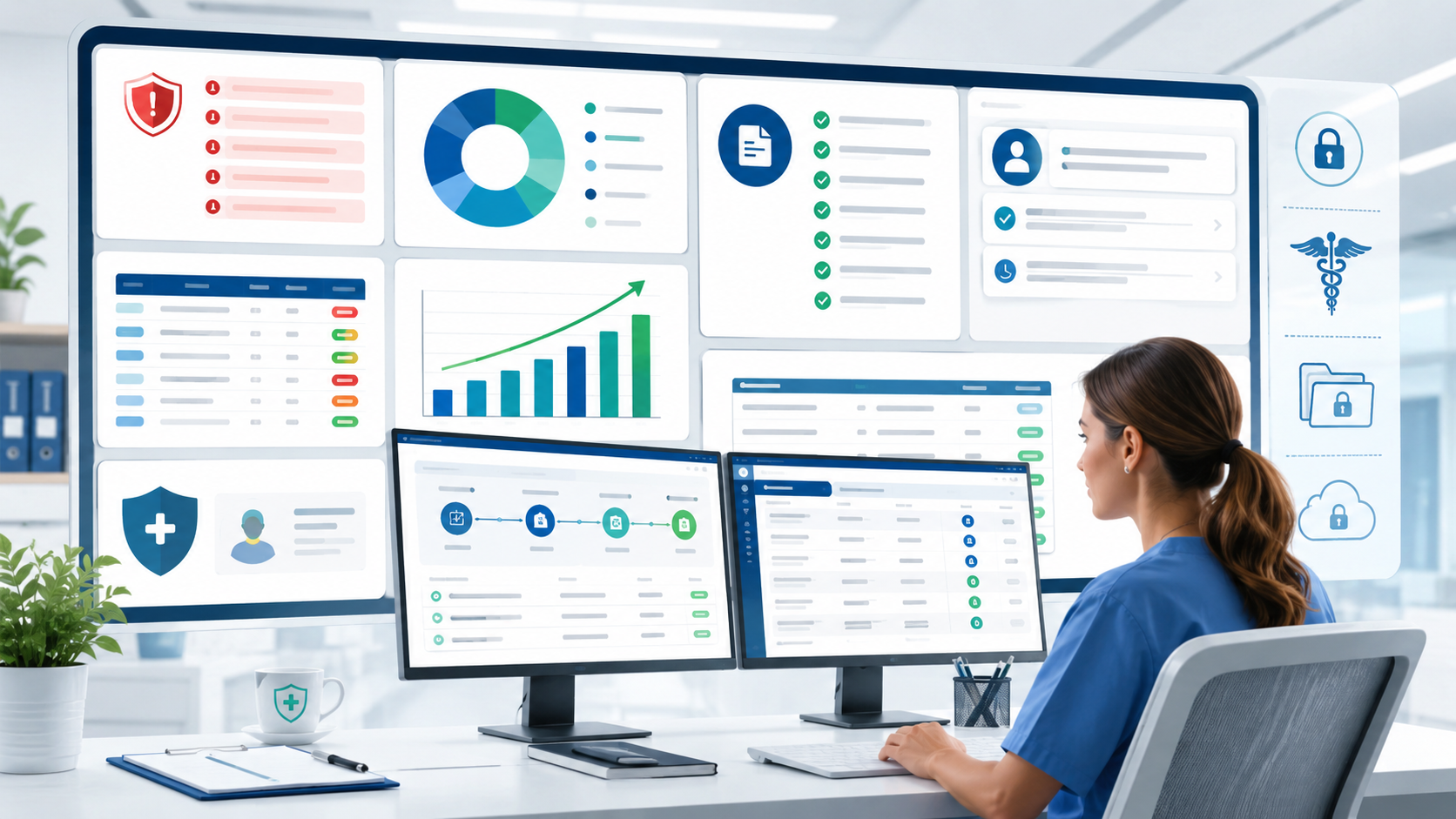
Denials and Appeals: The Biggest Revenue Cycle Leak for Medical Practices Claim denials do not only delay payment. They create one of the most expensive forms of revenue cycle leakage for healthcare providers. Every denied claim requires review, correction, documentation, payer follow-up, appeal preparation, and sometimes multiple rounds of communication before payment is recovered. For clinics, physician groups, hospitals, and billing companies, denial management is no longer a back-office task. It is a revenue protection strategy. A strong denial and appeals workflow helps reduce avoidable write-offs, improve cash flow, strengthen payer communication, and prevent the same billing errors from happening repeatedly. Medical Billing Entry supports healthcare providers and billing companies with accurate, scalable, and HIPAA-aware medical billing, claims processing, denial follow-up, appeals support, and revenue cycle management services. When denials are handled with structure and discipline, providers can recover more revenue and reduce unnecessary administrative pressure. Industry insight: In a 2026 MGMA Stat poll, medical group leaders identified denials and appeals as the biggest revenue cycle leak. This confirms what many providers already experience daily: denied claims, incomplete documentation, authorization issues, coding errors, eligibility problems, and delayed appeals can create serious financial pressure for healthcare organizations. What Is Denial Management in Medical Billing? Denial management in medical billing is the process of identifying, reviewing, correcting, appealing, and preventing denied claims. It includes understanding payer denial reasons, checking claim data, reviewing documentation, correcting errors, preparing appeal support, and tracking the final payer response. Effective denial management is closely connected with medical billing services, medical insurance claims processing, accounts receivable services, and overall revenue cycle management. The goal is not only to fix denied claims. The bigger goal is to understand why denials happen and improve the billing workflow so similar denials can be avoided in the future. Why Denials and Appeals Create Revenue Leakage Revenue leakage happens when a provider delivers care but does not receive timely and accurate payment because of billing, documentation, payer, or workflow issues. Denials and appeals are major leakage points because they convert expected revenue into delayed, disputed, or unpaid revenue. Delayed Cash Flow Denied claims stop payment movement and push revenue into follow-up queues, increasing the time between service delivery and reimbursement. Higher A/R Burden Denials increase aging claims and require billing teams to spend more time on payer calls, claim corrections, and appeal documentation. Administrative Rework Each denied claim may need coding review, eligibility verification, authorization checks, medical records, and payer-specific appeal formatting. Potential Write-Offs If denials are not corrected and appealed within payer timelines, providers may lose revenue that could have been recovered. Common Reasons Medical Claims Are Denied Most denials are not random. They usually point to specific workflow gaps in eligibility verification, authorization, coding, documentation, claim submission, or payer follow-up. Reviewing denial reasons helps billing teams identify what needs to be fixed. Denial Reason Common Cause Possible Fix Missing or incorrect patient information Demographic error, wrong member ID, inactive policy, or incorrect payer selection. Strengthen front-end eligibility verification and patient data validation. No prior authorization Service required payer approval before treatment, but authorization was not obtained or documented. Verify authorization requirements before service and connect approval details to claim submission. Medical necessity denial Documentation does not clearly support why the service was required. Submit stronger clinical documentation and medical necessity support with the appeal. Coding or modifier error Incorrect CPT, HCPCS, ICD-10, modifier, place of service, or diagnosis linkage. Review coding accuracy before submission and correct coding-related denial trends. Duplicate claim Claim was resubmitted without proper tracking or payer status confirmation. Check payer status before resubmission and document claim follow-up activity. Timely filing issue Claim or appeal was submitted after the payer deadline. Use follow-up schedules and escalation workflows to protect filing limits. Why Appeals Need Strong Documentation An appeal is not just a request for the payer to review the claim again. It must explain why the claim should be paid and provide the documentation needed to support that request. Weak appeals often fail because they do not address the exact payer denial reason. When a claim is denied, the billing team should review the denial code, payer message, remittance advice, clinical documentation, authorization details, eligibility information, coding, and claim history. This helps the team prepare a stronger appeal package. CMS also highlights the importance of denial or non-affirmed reason information in claim and prior authorization review workflows. This means providers and billing teams should carefully review the payer’s stated reason before correcting or appealing the claim. How a Strong Denial Management Workflow Should Work Identify the denial quickly: Review ERA, EOB, payer portal updates, denial letters, and claim status responses. Classify the denial reason: Separate denials by eligibility, authorization, coding, medical necessity, documentation, timely filing, duplicate, or payer-specific issue. Review the claim history: Check submission date, payer response, patient details, provider details, coding, modifiers, and prior follow-up notes. Correct the root issue: Update missing or inaccurate information before resubmission or appeal. Prepare appeal documentation: Include medical records, authorization proof, payer references, coding justification, clinical notes, and appeal letter when required. Track payer response: Monitor appeal status, response timelines, pending requests, and additional documentation needs. Prevent recurrence: Use denial trends to improve eligibility checks, authorization workflows, coding review, and claim quality control. Denial Management and A/R Follow-Up Must Work Together Denial management and A/R follow-up are closely connected. A denied claim that is not worked quickly becomes an aging claim. As claims move from 30 days to 60 days, 90 days, or 120+ days, recovery becomes harder and the risk of write-off increases. This is why denial teams need structured support from A/R follow-up services. A/R teams can help identify unpaid claims, check payer status, escalate unresolved issues, and ensure corrected claims or appeals do not remain pending without action. Accurate payment posting services also help identify adjustment codes, denial trends, underpayments, patient responsibility, payer delays, and appeal outcomes. Without proper payment posting, denial reporting may be incomplete or misleading. How Outsourcing Denial and Appeals Support Helps Providers Many

Prior Authorization in 2026: How Providers Can Reduce Claim Delays Prior authorization has become one of the most important front-end steps in medical billing and revenue cycle management. When authorization is missed, delayed, incomplete, or poorly documented, providers may face claim denials, payment delays, rework, increased A/R pressure, and avoidable revenue leakage. In 2026, prior authorization is becoming even more important as healthcare organizations focus on faster payer communication, stronger documentation, cleaner claims, and better workflow visibility. For clinics, physician groups, hospitals, and billing companies, the goal is simple: verify requirements early, submit accurate authorization requests, track payer responses, and protect reimbursement before the claim is submitted. Medical Billing Entry supports healthcare providers and billing companies with accurate, scalable, and HIPAA-aware medical billing, claims processing, documentation, and revenue cycle support. Prior authorization is a critical part of that workflow because it directly affects claim acceptance, payer response, and reimbursement performance. What Is Prior Authorization in Medical Billing? Prior authorization is the process of receiving approval from an insurance payer before a specific medical service, procedure, medication, test, imaging service, or treatment is provided. The payer reviews whether the requested service meets coverage rules, medical necessity guidelines, plan requirements, and documentation standards. In medical billing, prior authorization is not just an administrative task. It is a revenue protection step. If the service requires authorization and the provider fails to obtain it correctly, the claim may be denied even when the service was medically necessary. This is why prior authorization should be connected with medical billing services, eligibility verification, documentation review, coding accuracy, and revenue cycle management. Why Prior Authorization Delays Hurt Healthcare Revenue When prior authorization is not handled correctly, it can slow down the entire revenue cycle. Providers may complete services but later discover that the payer required approval before the date of service. This creates avoidable claim denials, appeal work, payment delays, and patient billing confusion. Delayed Patient Care Authorization delays may postpone procedures, imaging, specialist visits, or treatment plans, affecting both patient experience and provider workflow. Denied Claims Claims may be denied when authorization is missing, expired, incomplete, or not matched correctly with the billed service. Higher A/R Burden Authorization-related issues can push claims into aging buckets, requiring additional payer follow-up and appeal documentation. More Administrative Rework Teams may need to recheck payer rules, gather records, contact payers, correct claim details, and resubmit documentation. Common Prior Authorization Problems That Lead to Claim Delays Prior authorization problems often begin before the claim is created. Many issues come from front-end workflow gaps, payer rule changes, incomplete documentation, or poor communication between scheduling, clinical, billing, and payer teams. Common Issue Revenue Cycle Impact Authorization not obtained before service Claim may be denied for no authorization or missing approval. Incorrect CPT, HCPCS, or diagnosis information Payer approval may not match the billed service, causing claim review issues. Missing clinical documentation Payer may request more information, delaying the decision and service timeline. Authorization expired before service date The claim may be rejected or denied because approval was no longer valid. Payer portal status not tracked Requests may remain pending without timely follow-up or escalation. Incorrect patient or insurance details Authorization may be linked to the wrong policy, payer, plan, or member record. How 2026 Prior Authorization Changes Affect Billing Workflows Prior authorization is moving toward more transparency, faster response expectations, and stronger electronic data exchange. Healthcare providers and billing companies need cleaner workflows because authorization information must be accurate, traceable, and aligned with payer requirements. For many impacted payers, prior authorization decisions are expected within defined timelines such as urgent or expedited requests and standard non-urgent requests. Payers are also expected to provide clearer denial reasons and publicly report prior authorization metrics. This means providers should strengthen their internal authorization tracking, documentation readiness, and follow-up process. For billing teams, this creates an important opportunity. A well-organized prior authorization process can help reduce claim delays, prevent avoidable denials, and support cleaner claim submission through submission of claims workflows. Best Practices to Reduce Prior Authorization Delays Verify insurance coverage early: Confirm active coverage, payer plan, member details, benefits, and authorization requirements before service delivery. Check payer-specific rules: Different payers may have different authorization requirements for the same procedure or specialty. Collect complete documentation: Include diagnosis details, provider notes, test results, treatment history, and medical necessity support when required. Match authorization with billing codes: Ensure approved services match CPT, HCPCS, modifiers, diagnosis codes, place of service, and provider details. Track pending requests daily: Monitor payer portals, fax responses, phone updates, and pending authorization queues. Document every payer interaction: Keep authorization numbers, reference IDs, representative names, call dates, portal screenshots, and status notes. Escalate delays quickly: If an authorization remains pending, escalate before the service date or claim submission deadline. Connect authorization with claims: Authorization data should flow into claim preparation and medical insurance claims processing. Why Prior Authorization Should Not Be Treated as a Manual Side Task Many providers still handle prior authorization as a scattered manual process through phone calls, payer portals, spreadsheets, faxes, emails, and disconnected notes. This creates risk because one missed update can delay treatment, create a denial, or push a claim into A/R follow-up. A stronger approach is to treat prior authorization as a structured revenue cycle workflow. That means every request should have clear ownership, proper documentation, payer status tracking, follow-up reminders, quality checks, and claim-level visibility. When authorization is handled properly, the billing team has better control over clean claim preparation, payer communication, and reimbursement timelines. How Outsourcing Prior Authorization Support Helps Providers Outsourcing prior authorization support can help healthcare providers reduce administrative pressure while improving accuracy and follow-up consistency. A trained support team can help verify requirements, prepare documentation, track payer status, and support billing teams with cleaner information before claim submission. Medical Billing Entry provides healthcare back-office support for providers, clinics, hospitals, physician groups, and billing companies that need reliable medical billing and RCM workflow assistance. Authorization Requirement Checks Support teams can verify whether a service
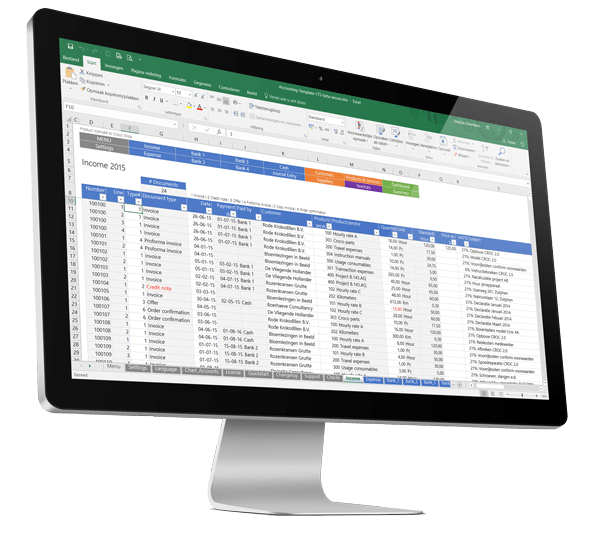
Why Outsourcing Medical Billing Services Is a Game-Changer for Healthcare Providers Healthcare providers are under constant pressure to deliver quality patient care while also managing billing accuracy, payer requirements, claim submissions, denials, payment posting, accounts receivable, and revenue cycle performance. For many clinics, physicians, healthcare groups, and billing companies, medical billing is no longer just an administrative task. It is a critical part of financial stability and operational efficiency. When medical billing is handled properly, healthcare organizations can improve cash flow, reduce claim delays, strengthen payer follow-up, and maintain better control over the revenue cycle. When billing is inconsistent, delayed, or overloaded, it can create denials, underpayments, revenue leakage, staff pressure, and poor visibility into financial performance. This is why outsourcing medical billing services has become a practical and strategic decision for healthcare providers. It allows practices to work with trained billing professionals, improve process consistency, reduce administrative burden, and focus more on patient care. At Medical Billing Entry, we support healthcare providers, clinics, physicians, healthcare groups, and billing companies with professional medical billing, claims processing, payment posting, denial management, accounts receivable follow-up, and revenue cycle support services. Medical Billing Is More Than Claim Submission Many healthcare organizations think of medical billing as simply preparing and submitting claims. In reality, medical billing includes multiple connected steps that directly affect reimbursement and revenue cycle performance. A complete billing workflow may include patient demographic entry, insurance eligibility verification, charge entry, medical coding support, claim scrubbing, claim submission, payer follow-up, denial management, payment posting, patient balance review, A/R follow-up, and reporting. If one step is delayed or inaccurate, the entire revenue cycle can be affected. This is why outsourcing medical billing services can make such a strong difference. A focused billing team can help manage each stage with accuracy, consistency, and timely follow-up. 1. It Helps Providers Focus More on Patient Care The primary responsibility of healthcare providers is patient care. However, billing-related tasks often consume valuable time and attention. Internal staff may spend hours managing claim corrections, payer calls, denials, missing information, payment posting, and unpaid claim follow-up. Outsourcing medical billing allows healthcare teams to shift their focus back to clinical care, patient communication, scheduling, documentation, and practice operations. Instead of stretching internal resources across too many administrative responsibilities, practices can rely on a dedicated billing support team to manage revenue cycle tasks more consistently. 2. It Creates a More Organized Revenue Cycle A strong revenue cycle depends on structure. Without proper workflow management, claims may be submitted late, denials may not be appealed on time, payments may not be posted accurately, and unpaid claims may remain unresolved for too long. Medical billing outsourcing helps practices build a more organized revenue cycle by assigning responsibility to trained billing professionals who understand claim workflows, payer requirements, follow-up timelines, and reporting needs. Medical Billing Entry provides revenue cycle management support to help healthcare organizations improve billing workflow visibility and maintain stronger control over claim-to-payment operations. 3. It Reduces Billing Errors and Avoidable Rework Medical billing errors can create claim rejections, payer denials, delayed reimbursements, and unnecessary rework. Common billing issues include incorrect patient details, missing insurance information, coding mismatches, incomplete documentation, duplicate claims, incorrect modifiers, missing authorization details, and payer-specific submission errors. Outsourcing helps reduce these issues through structured review processes, trained billing teams, and quality checks before claims are submitted. This improves the accuracy of billing workflows and helps reduce the time spent fixing preventable errors. 4. It Improves Claim Submission Consistency Timely claim submission plays an important role in maintaining steady cash flow. When internal teams are overloaded, claims may be delayed due to staffing limitations, documentation backlogs, or competing administrative priorities. By outsourcing medical billing services, healthcare providers can maintain a more consistent claim submission process. A dedicated team can review claim information, check required details, prepare claims, and submit them within defined timelines. For healthcare organizations that need claim support, Medical Billing Entry offers medical insurance claims processing services designed to support accuracy, consistency, and timely claim handling. 5. It Strengthens Denial Management Claim denials are one of the biggest challenges in healthcare revenue cycle management. Denials can occur due to eligibility issues, authorization problems, coding errors, medical necessity concerns, timely filing limits, modifier mistakes, incomplete documentation, or payer-specific rule changes. A strong denial management process does not only correct denied claims. It identifies denial patterns, reviews root causes, organizes appeal actions, tracks payer responses, and helps prevent the same issues from repeating. Outsourcing denial management gives healthcare providers access to a focused team that can review denial reasons, prioritize claims, correct billing issues, support appeals, and monitor recurring denial trends. 6. It Improves Accounts Receivable Follow-Up Unpaid claims can quickly affect practice cash flow. If accounts receivable follow-up is not managed consistently, claims may move into older aging buckets and become harder to collect. Effective A/R follow-up requires regular payer communication, claim status review, documentation, prioritization, and timely action. Outsourcing helps ensure that pending claims are monitored and worked consistently instead of being handled only when problems become urgent. Medical Billing Entry provides accounts receivable services to help healthcare organizations manage unpaid claims, aging follow-up, payer communication, and revenue cycle visibility. 7. It Supports Accurate Payment Posting Payment posting is an important part of medical billing because it shows what has been paid, denied, adjusted, underpaid, transferred to patient responsibility, or left pending. If payment posting is inaccurate, reporting, follow-up, and financial decisions can become unreliable. Outsourced payment posting support helps healthcare providers maintain cleaner billing records by posting insurance payments, patient payments, adjustments, denials, contractual write-offs, and remaining balances accurately. Medical Billing Entry offers payment posting services to support better revenue cycle tracking and claim resolution workflows. 8. It Gives Access to Skilled Billing Support Without Expanding Internal Staff Hiring, training, and retaining experienced billing staff can be difficult for many healthcare organizations. Medical billing requires knowledge of claim formats, payer rules, coding guidelines, documentation requirements, denial workflows, and billing system processes. Outsourcing gives healthcare providers access

Transform Your Practice with Expert Data Management Solutions success stories in healthcare outsourcing, case studies of improved patient care through accurate records, efficient practice management examples In today’s rapidly evolving healthcare landscape, professional data management has become a cornerstone of successful practice transformation. By leveraging precise and efficient data handling, healthcare providers can now unlock unprecedented levels of patient care and operational efficiency. The compelling success stories in healthcare outsourcing that highlight the transformative power of accurate record-keeping. By outsourcing data management to specialized professionals Medical Billing Entry, healthcare facilities have witnessed a marked improvement in their ability to maintain up-to-date patient records. This not only enhances the quality of patient care but also streamlines administrative processes. Case studies abound showcasing improved patient outcomes through meticulous record accuracy. In one notable example, a hospital implemented an advanced data management system that reduced errors in patient records by over 50%. This led to more accurate diagnoses and treatment plans, ultimately elevating the standard of care provided. Efficient practice management examples further illustrate how professional data management can revolutionize operations. Clinics adopting comprehensive data solutions report significant reductions in appointment scheduling conflicts and billing errors. These improvements free up valuable time for medical staff to focus on what truly matters: delivering exceptional patient care. The integration of professional data management into healthcare practices is not just an option—it’s an imperative for those seeking to enhance service delivery and operational excellence. As these success stories demonstrate, embracing advanced data solutions paves the way for a brighter future in healthcare provision. Medical Data Entry Specialist – MBE The role of a Medical Data Entry Specialist, often abbreviated as MBE, is integral to the smooth operation of healthcare facilities and organizations. As a specialist in this field, you will be entrusted with the critical responsibility of accurately inputting and managing patients’ medical records and data. This accuracy is vital because it directly impacts patient care, treatment outcomes, and ensures compliance with legal standards. By meticulously handling this data, an MBE not only supports healthcare professionals in delivering timely and precise diagnoses but also contributes to the larger goal of enhancing overall healthcare quality. Moreover, this position provides an opportunity to work at the intersection of technology and healthcare. With advancements in electronic health records (EHR) systems and digital databases, Medical Data Entry Specialists need to be adept at using sophisticated software tools that can improve efficiency while minimizing errors. The ability to navigate these systems effectively makes an MBE indispensable in maintaining up-to-date information that can be accessed quickly by medical staff when making critical decisions about patient care. In addition to technical skills, a successful Medical Data Entry Specialist must possess strong attention to detail and organizational skills. These attributes are crucial for managing large volumes of data without compromising on precision or confidentiality. As such, being proficient in this role can enhance your career prospects within the ever-growing healthcare industry—a sector that continually seeks skilled professionals who can guarantee the integrity of its vast information networks. Ultimately, choosing a career as a Medical Data Entry Specialist means embracing a role where your expertise directly contributes to improving patient experiences and outcomes while supporting the broader mission of advancing global health standards through accurate data management. Medical Data Entry Project Service Provider from India If you’re seeking a reliable and proficient Medical Data Entry Project Service Provider, India stands out as an exceptional choice. Renowned for its vast pool of skilled professionals and competitive pricing, India offers unparalleled advantages in the realm of medical data entry services. By choosing Medical Billing Entry a provider from this region, you ensure access to a workforce that is well-versed in handling complex medical data with precision and accuracy. Indian service providers are known for their meticulous attention to detail and adherence to stringent confidentiality standards, ensuring that your sensitive medical information is managed securely. The time zone advantage allows for round-the-clock operations, leading to faster turnaround times without compromising on quality. Investing in an Indian service provider means harnessing the power of cutting-edge technology combined with human expertise, resulting in efficient project execution tailored to meet your specific needs. Data Entry Services for Medical & Healthcare Data entry services for the medical and healthcare sectors are not just a convenience—they are an absolute necessity in today’s fast-paced, data-driven world. The importance of accurate and efficient data management cannot be overstated, as it forms the backbone of patient care, research advancements, and administrative efficiency. Every piece of information entered into medical databases serves to improve patient outcomes, enhance operational workflows, and comply with stringent regulatory requirements. By outsourcing these tasks to Medical Billing Entry specialized data entry services, healthcare providers can ensure that their records are meticulously maintained with precision and confidentiality. This allows medical professionals to focus on what they do best: caring for patients. With the increasing volume of health records due to advances in telemedicine and digital health technologies, having a reliable partner MBE for data entry becomes even more critical. By investing in professional data entry services, healthcare facilities can not only streamline their operations but also gain a competitive edge through enhanced accuracy and time savings. Healthcare and Medical Data Entry Services In today’s fast-paced world, where accuracy and efficiency are paramount, Healthcare and Medical Data Entry Services represent an indispensable asset for any medical facility. Consider the immense volume of patient records, billing information, and clinical data that must be meticulously managed on a daily basis. These services ensure that every detail is recorded with precision, thus minimizing errors that could have serious implications for patient care. By outsourcing data entry tasks to skilled professionals MBE specialize in healthcare documentation, medical practitioners can focus exclusively on what truly matters: delivering high-quality patient care. These services often come equipped with cutting-edge technology that ensures data security and compliance with industry regulations such as HIPAA. This not only protects sensitive information but also enhances the overall operational efficiency of healthcare providers. Investing in

The basic premise of search engine reputation management is to use the following three strategies to accomplish the goal of creating a completely positive first page of search engine results for a specific term…

The basic premise of search engine reputation management is to use the following three strategies to accomplish the goal of creating a completely positive first page of search engine results for a specific term…
The basic premise of search engine reputation management is to use the following three strategies to accomplish the goal of creating a completely positive first page of search engine results for a specific term…

The basic premise of search engine reputation management is to use the following three strategies to accomplish the goal of creating a completely positive first page of search engine results for a specific term…
