









The Ultimate Guide to Medical Data Entry Services: Why Your Practice Needs Them Now Healthcare practices manage large volumes of information every day. Patient demographics, insurance details, clinical notes, medical records, billing data, claims information, provider details, scanned documents, and reporting files all need to be entered, updated, organized, and maintained accurately. When this information is clean and reliable, healthcare teams can work more efficiently. Patient records become easier to access, billing workflows become smoother, claims can be prepared with fewer avoidable errors, and administrators gain better visibility into practice operations. When medical data is incomplete, duplicated, outdated, or entered incorrectly, the impact can spread across the entire practice. It may lead to patient record confusion, billing delays, claim rejections, reporting gaps, documentation issues, and additional workload for already busy healthcare teams. This is why medical data entry services are no longer just a routine back-office function. They are an important part of accurate healthcare operations, revenue cycle performance, compliance readiness, and patient experience. At Medical Billing Entry, we support clinics, physicians, hospitals, healthcare groups, and billing companies with professional medical data entry, healthcare data entry, patient demographic entry, clinical data entry, medical records indexing, healthcare data management, medical billing support, and revenue cycle support services. What Are Medical Data Entry Services? Medical data entry services involve entering, reviewing, organizing, updating, and managing healthcare information across clinical, administrative, billing, and back-office workflows. These services help healthcare organizations maintain accurate patient records, structured medical documents, clean billing data, organized claims information, and reliable reporting files. Medical data entry may include patient demographic entry, insurance information entry, clinical data entry, medical records data entry, EMR/EHR data updates, medical billing data entry, claims data entry, provider data entry, document indexing, and healthcare data processing. The goal is simple: help healthcare organizations maintain clean, organized, accurate, and accessible data that supports better daily operations. Why Medical Data Entry Matters for Healthcare Practices Healthcare data supports almost every major function in a medical practice. Front-office teams use it for patient registration and scheduling. Clinical teams use it for documentation and care coordination. Billing teams use it for claims and payer follow-up. Administrators use it for reporting, compliance documentation, and operational planning. If the data is inaccurate, the workflow becomes unreliable. A small error in patient demographics, insurance details, provider information, document classification, or billing data can create downstream issues that require correction, rework, and follow-up. Professional medical data entry services help reduce these risks by supporting accuracy, structure, consistency, and workflow discipline. Why Your Practice Needs Medical Data Entry Services Now Healthcare practices are dealing with more data than ever before. Digital records, scanned documents, patient forms, insurance files, billing data, claims information, clinical documentation, and reporting requirements continue to grow. At the same time, internal teams are expected to manage patient communication, scheduling, documentation, billing coordination, follow-up, and administrative work. Without reliable support, data entry can become a bottleneck. Records may remain incomplete, documents may not be indexed properly, claims may be delayed, and staff may spend valuable time correcting avoidable errors. Medical data entry services help practices handle growing information volume with more consistency and less pressure on internal teams. 1. Patient Demographic Entry Patient demographic entry is one of the most important parts of healthcare data management. It includes entering and updating patient names, dates of birth, contact details, addresses, insurance details, policy numbers, subscriber information, provider details, and account numbers. Accurate patient demographic data supports registration, eligibility verification, billing, claims processing, reporting, and patient communication. Incorrect demographic data can lead to claim rejections, duplicate records, billing confusion, and unnecessary follow-up. Medical Billing Entry provides patient demographic entry services to help healthcare organizations maintain clean and accurate patient information. 2. Medical Records Data Entry Medical records data entry involves entering and organizing patient records, clinical notes, treatment details, lab reports, referral documents, prescriptions, discharge summaries, scanned documents, and other healthcare records. Accurate medical records support better information access and smoother coordination between front-office staff, clinical teams, billing teams, and administrative departments. When records are incomplete or unorganized, staff may spend unnecessary time searching for documents or correcting record issues. 3. Clinical Data Entry Clinical data entry supports the management of patient history, diagnosis information, treatment notes, physician documentation, lab details, procedure information, and other clinical records. This data must be entered carefully because it can support documentation quality, reporting, care coordination, and billing workflows. Medical Billing Entry offers clinical data entry services for healthcare organizations that need structured and reliable support for clinical documentation workflows. 4. EMR and EHR Data Entry EMR and EHR systems are valuable only when the information inside them is accurate, current, and properly organized. Poor data quality can create duplicate records, missing details, incorrect document categories, incomplete histories, and reporting gaps. Professional EMR and EHR data entry support can help practices update records, enter missing information, organize documents, classify files, and maintain cleaner digital patient data. This supports better record retrieval, smoother billing coordination, improved reporting, and stronger administrative efficiency. 5. Medical Billing Data Entry Medical billing data entry supports claim preparation, charge entry, insurance verification, payer communication, payment tracking, denial review, and revenue cycle management. Billing teams depend on accurate patient, insurance, provider, authorization, charge, and claims data. If billing-related data is incorrect, claims may be rejected, denied, delayed, or returned for correction. Professional data entry support helps improve the quality of information before it moves into billing and claims workflows. For practices that need broader billing support, Medical Billing Entry provides medical billing services designed to support accurate and organized billing operations. 6. Claims Data Entry Claims data entry involves entering and managing claim-related information such as patient details, provider details, insurance information, service dates, diagnosis details, procedure information, authorization details, payer notes, and claim status updates. Accurate claims data supports cleaner claim preparation, better payer follow-up, stronger denial management, and improved revenue cycle visibility. Medical Billing Entry also supports medical insurance claims processing services for healthcare organizations that need professional claim workflow support.

The basic premise of search engine reputation management is to use the following three strategies to accomplish the goal of creating a completely positive first page of search engine results for a specific term…
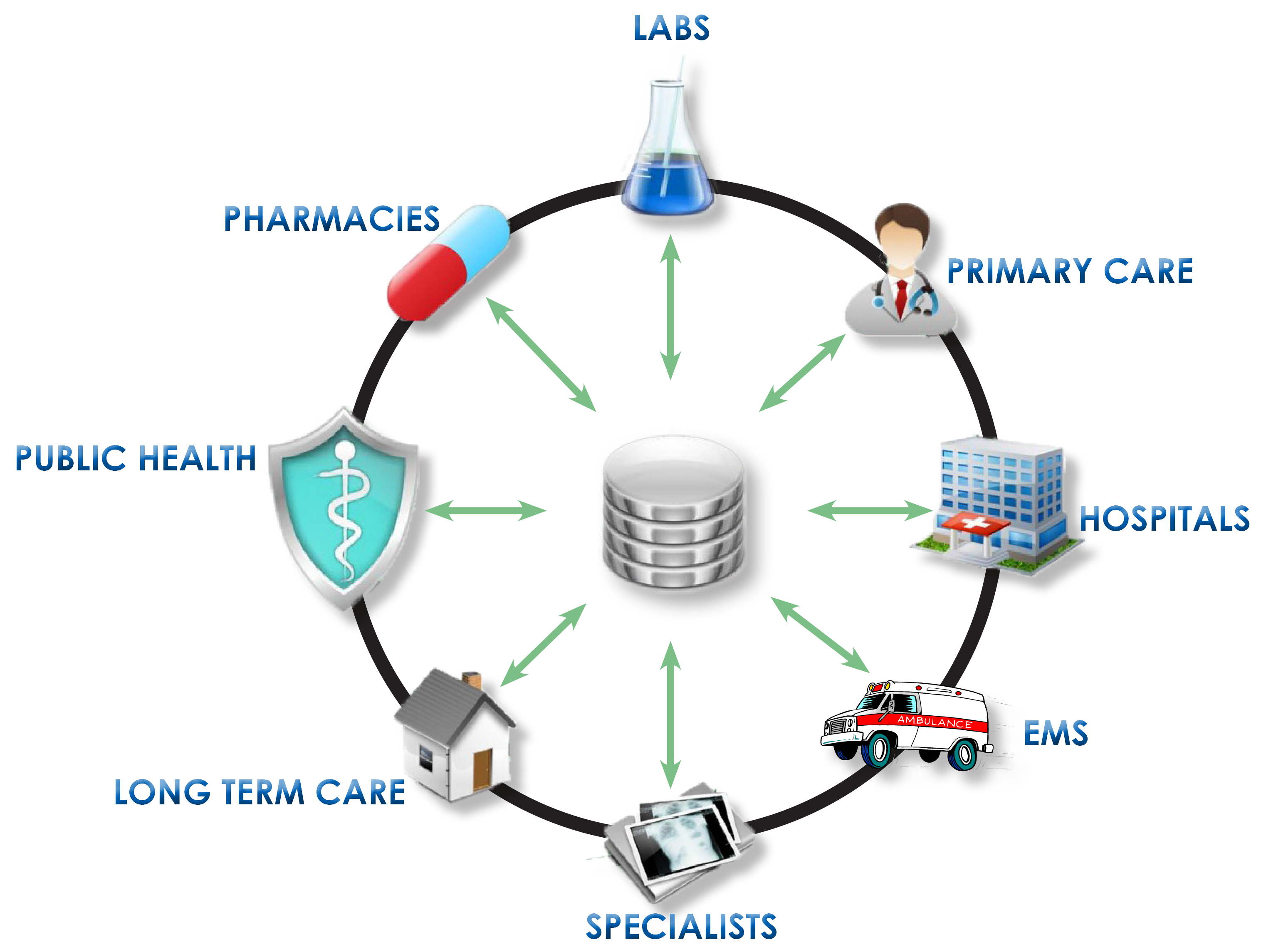
Outsource Healthcare Data Entry Services Healthcare organizations manage a large volume of information every day. Patient demographics, medical records, clinical documents, insurance details, billing data, claims information, provider records, scanned files, and reporting data must be entered, updated, organized, and maintained accurately. When healthcare data is accurate and accessible, providers can improve patient communication, billing workflows, documentation quality, reporting visibility, and overall practice efficiency. When data is incomplete, duplicated, delayed, or entered incorrectly, the impact can move across patient records, claims, billing, compliance documentation, and revenue cycle operations. This is why many clinics, physicians, hospitals, healthcare groups, and billing companies choose to outsource healthcare data entry services. Outsourcing helps reduce routine administrative workload, improve data accuracy, organize medical records, support billing teams, and maintain cleaner healthcare back-office workflows. At Medical Billing Entry, we support healthcare providers and billing companies with professional healthcare data entry, medical data entry, patient demographic entry, clinical data entry, medical records indexing, healthcare data management, medical billing support, and revenue cycle support services. What Are Healthcare Data Entry Services? Healthcare data entry services involve entering, verifying, organizing, updating, and maintaining healthcare-related information across clinical, administrative, billing, and back-office workflows. These services help healthcare organizations keep patient records, medical documents, insurance data, billing files, and claims information accurate and accessible. Healthcare data entry may include patient demographic entry, insurance information entry, medical records data entry, clinical data entry, EMR/EHR data updates, medical billing data entry, claims data entry, provider data entry, document indexing, and healthcare data processing. The goal is to create cleaner, more organized, and more reliable healthcare information that supports daily operations and long-term practice performance. Why Healthcare Organizations Outsource Data Entry Healthcare teams already manage patient scheduling, registration, documentation, eligibility checks, billing coordination, payer communication, reporting, and daily administrative work. When large volumes of data entry are added to these responsibilities, internal staff may become overloaded. Outsourcing healthcare data entry services gives organizations access to trained back-office support without placing additional pressure on internal teams. It helps practices manage data more consistently while allowing staff to focus on patient care, billing review, documentation, and operational priorities. 1. Reduced Administrative Workload One of the biggest reasons to outsource healthcare data entry services is to reduce administrative pressure. Data entry is repetitive, detailed, and time-sensitive. Internal teams may struggle to manage it consistently while also handling patient-facing responsibilities. Outsourcing helps move routine data entry, document organization, record updates, and data cleanup work to a dedicated support team. This allows healthcare staff to spend more time on patient communication, appointment coordination, billing review, and practice management. 2. Improved Patient Record Accuracy Patient records must be accurate because they support registration, clinical documentation, billing, insurance verification, reporting, and patient communication. Incorrect patient names, dates of birth, contact information, insurance details, provider information, or account numbers can create confusion and rework. Professional healthcare data entry support helps maintain cleaner patient records through structured workflows and quality review steps. This can reduce duplicate records, incomplete profiles, incorrect patient matching, and avoidable administrative corrections. Medical Billing Entry provides patient demographic entry services to help healthcare organizations maintain accurate and organized patient information. 3. Better Medical Records Organization Healthcare organizations often manage large volumes of clinical notes, lab reports, prescriptions, referral documents, discharge summaries, consent forms, scanned files, insurance forms, and patient records. If these documents are not properly entered, named, indexed, or categorized, staff may spend unnecessary time searching for information. Outsourcing healthcare data entry can help organize records into structured and searchable formats. Proper document indexing supports faster retrieval, smoother workflows, and better record visibility. Medical Billing Entry offers medical records indexing services to help healthcare providers manage medical documents more efficiently. 4. Stronger Support for Billing and Claims Workflows Healthcare data quality directly affects medical billing. Patient demographics, insurance details, provider information, authorization records, charge information, coding-related notes, and claim data must be accurate before claims are submitted. If source data is incorrect, billing teams may face claim rejections, denials, delayed payments, and repeated payer follow-up. Outsourced healthcare data entry support helps improve the accuracy of billing-related information before it affects claims and revenue cycle workflows. For organizations that need broader billing support, Medical Billing Entry provides medical billing services and healthcare billing workflow support. 5. Faster Processing of Data Entry Backlogs Healthcare data backlogs can happen because of high patient volume, staffing challenges, system migrations, document digitization projects, delayed scanning, or billing workload pressure. Backlogs can affect reporting quality, record access, claim preparation, and administrative efficiency. Outsourcing helps healthcare organizations process backlogs more consistently. A trained support team can assist with patient data entry, scanned record processing, medical document indexing, EMR/EHR updates, claims data entry, and healthcare data cleanup. 6. Better EMR and EHR Data Quality EMR and EHR systems are valuable only when the information inside them is accurate, updated, and properly organized. Poor data quality can create duplicate records, missing details, incorrect document categories, incomplete histories, and reporting gaps. Healthcare data entry outsourcing can help practices maintain cleaner EMR/EHR data through accurate entry, structured updates, document classification, record cleanup, and organized information management. This supports better record access, smoother billing coordination, improved reporting, and more efficient daily operations. 7. Improved Healthcare Data Management Healthcare data entry is closely connected to healthcare data management. Organizations need structured processes for entering, reviewing, organizing, updating, and maintaining patient data, provider records, insurance data, billing files, claims information, clinical documents, scanned records, payment details, and reporting files. Outsourcing helps create a more organized approach to data handling and back-office support. Medical Billing Entry provides healthcare data management services for organizations that need accurate, structured, and scalable data support. 8. Secure and HIPAA-Aware Data Handling Healthcare data must be handled with confidentiality, care, and workflow discipline. Patient records, billing information, insurance details, clinical documents, and claim files should be managed through secure workflows, controlled access, and responsible process handling. A reliable outsourcing partner should understand the importance of HIPAA-aware data handling, secure communication, access control, confidentiality expectations, and careful file

The basic premise of search engine reputation management is to use the following three strategies to accomplish the goal of creating a completely positive first page of search engine results for a specific term…
The basic premise of search engine reputation management is to use the following three strategies to accomplish the goal of creating a completely positive first page of search engine results for a specific term…

The basic premise of search engine reputation management is to use the following three strategies to accomplish the goal of creating a completely positive first page of search engine results for a specific term…
The basic premise of search engine reputation management is to use the following three strategies to accomplish the goal of creating a completely positive first page of search engine results for a specific term…

The basic premise of search engine reputation management is to use the following three strategies to accomplish the goal of creating a completely positive first page of search engine results for a specific term…

The basic premise of search engine reputation management is to use the following three strategies to accomplish the goal of creating a completely positive first page of search engine results for a specific term…

The basic premise of search engine reputation management is to use the following three strategies to accomplish the goal of creating a completely positive first page of search engine results for a specific term…
- 1
- 2
